Myth and Legend: How Epic Lore Drives Slot Design
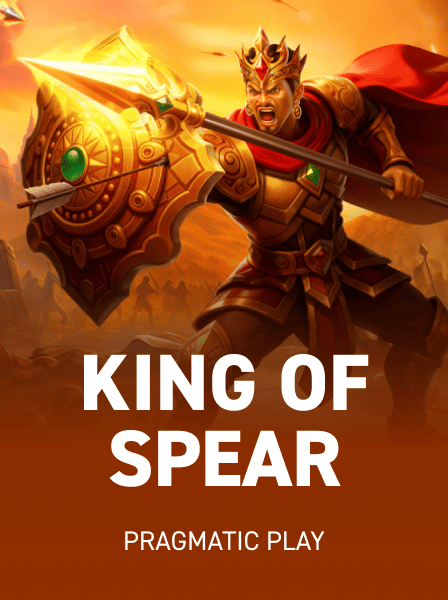
Slots that draw on myths, legends, and epic storytelling consistently resonate with players because they offer narrative depth and recognizable iconography. Themes based on Norse gods, ancient Egypt, Greek mythology, or fantasy worlds use well-known characters, artifacts, and symbol sets that immediately communicate stakes and value. Designers leverage this familiarity to create immediate emotional connections: a Thor-inspired hammer can read as “big win” even before bonus mechanics are explained. Visual design in myth-themed slots typically emphasizes detailed illustrations, 3D-modeled characters, particle effects for magic and lightning, and cinematic camera pans during bonus rounds. Color palettes often favor dramatic contrasts—golds and deep blues for Egyptian sets, icy tones and metallic finishes for Norse themes—reinforcing the world-building.
Beyond surface aesthetics, good myth-themed slots embed lore into interactions: animated reels reveal runes that unlock a story beat, or free spin sequences are framed as quests. Sound design is equally important—epic orchestral stings, ethnic instruments, and layered ambience deepen immersion. From a retention standpoint, players stay longer when they feel progression within a narrative framework; developers add collectible elements (e.g., artifact fragments) and episodic content updates to maintain engagement. Localization also matters: mythologies that work well in one market may need careful cultural adaptation elsewhere to avoid dissonance. Lastly, technical choices—like using GPU-accelerated particle systems and optimized 3D assets—ensure rich visuals without sacrificing performance on mobile, which is essential because many players expect mythic grandeur even on small screens.
Neon Retro: Synthwave Aesthetics in Modern Slots
Neon retro or synthwave themes blend 1980s visual motifs with modern rendering techniques, producing slots with high-energy color palettes, chrome and neon gradients, and stylized typography. These designs often attract younger adult audiences or nostalgic players who respond to the bold, high-contrast aesthetic. Visual hallmarks include neon-lit cityscapes, grid horizons, chrome icons, and VHS-style grain overlays—combined with contemporary touches like parallax layers, bloom effects, and dynamic lighting. The result feels both nostalgic and fresh, standing out in a crowded market where many themes are historical or fantasy-based.
Gameplay design for neon retro slots typically emphasizes fast pacing and kinetic animations: reels spin with electromagnetic-like motion, win clusters explode into neon shards, and bonus rounds have synth-driven progress bars. Designers prioritize readable iconography with high luminance contrast to ensure symbols are visible on small screens and under varying light conditions. Motion graphics are timed to reward and maintain arousal through micro-interactions: small haptic pulses on mobile, quick camera shakes for near-misses, and progressive visual filters as players climb multiplier ladders.
From a marketing standpoint, neon retro slots are easy to brand: bold thumbnails, animated teasers, and social content showcasing eye-catching color shifts perform well in acquisition channels. A/B testing often focuses on color intensity, neon glow radius, and soundtrack tempo to find the sweet spot between excitement and visual fatigue. Performance considerations include optimizing shader complexity and limiting heavy post-processing on lower-end devices to keep frame rates stable, since stutter disproportionately harms the perceived smoothness that neon aesthetics promise.

Nature and Wildlife: Organic Visuals that Appeal to Players
Nature and wildlife themes provide a calming, universally accessible aesthetic that appeals across demographics. These slots range from lush rainforest and oceanic worlds to savanna safaris and alpine landscapes. The visual language favors natural palettes—greens, blues, earth tones—and textures that mimic foliage, water, fur, and stone. Many players are drawn to these themes because they evoke escapism and relaxation; designers exploit that by crafting smooth animations, ambient soundscapes, and slow-burn reward mechanics that feel like exploration rather than adrenaline rush.
Effective nature-themed design uses layered environmental storytelling: background cycles show weather changes or time-of-day shifts, animated animals act as special symbols or wilds, and subtle particle effects (falling leaves, drifting plankton) add depth without distracting from the core reel. Symbol design tends toward hand-painted or photorealistic styles depending on the intended audience—family-friendly compositions often favor softer, stylized art, while premium titles use high-fidelity animal models and advanced lighting to elevate perceived value.
Engagement strategies in this category include collection systems tied to species or biomes, conservation partnerships with real-world organizations, and seasonal updates reflecting migratory patterns or bloom cycles. Accessibility and readability remain priorities: contrast between symbols and background is carefully tested to ensure visibility for color-blind players, and motion sickness risks are mitigated by limiting excessive camera movement. From a technical perspective, developers often optimize texture streaming and use LODs (levels of detail) to maintain consistent performance across devices, preserving the serene experience that is central to nature-themed slots.
Futuristic Minimalism: Sleek Interfaces and UI-Driven Engagement
Futuristic minimalism in slots emphasizes clarity, speed, and polished UI work that foregrounds gameplay mechanics rather than ornate decoration. Think glass-like panels, clean iconography, thin sans-serif type, and restrained color accents—often neon or accent hues on a dark or neutral base. This approach appeals to players who prefer efficient, modern interfaces that make important information obvious: balance, bet size, paylines, and feature triggers are presented with micro-animations and unobtrusive transitions that feel responsive and reliable.
Designers pursuing this aesthetic invest heavily in UX patterns: progressive disclosure keeps the screen uncluttered while offering detailed rule pop-ups or win breakdowns only when requested. Microinteractions—button haptics, subtle hover states, and reward confetti that’s brief and satisfying—provide feedback loops that increase perceived polish. Visual hierarchy is enforced with contrast, spacing, and motion timing so that wins pop without overwhelming the player. This minimal approach also aids localization because fewer theme-specific graphics simplify adaptation for different markets.
From a development viewpoint, futuristic minimalism is performant by design: fewer heavy textures, minimal particle systems, and vector-based assets scale cleanly to different resolutions. It supports accessibility: larger hit targets, clear typography, and customizable contrast or simplified animation modes for players sensitive to motion. Monetization fits seamlessly—feature buy-ins, subscription perks for UI skins, or tempo-controlled autoplay options—because the interface communicates value propositions crisply. In an era where many players play on the go, this style’s emphasis on speed and legibility translates directly into higher session starts and lower churn when combined with smart onboarding and clean analytics-driven iteration.